
My summer journey of discovery, touring our wonderful portfolio of Estates has helped me gain a better understanding of a wider range of different perspectives and opinions. I recognise that I’m privileged to spend a huge amount of time in…
Eastern Scotland
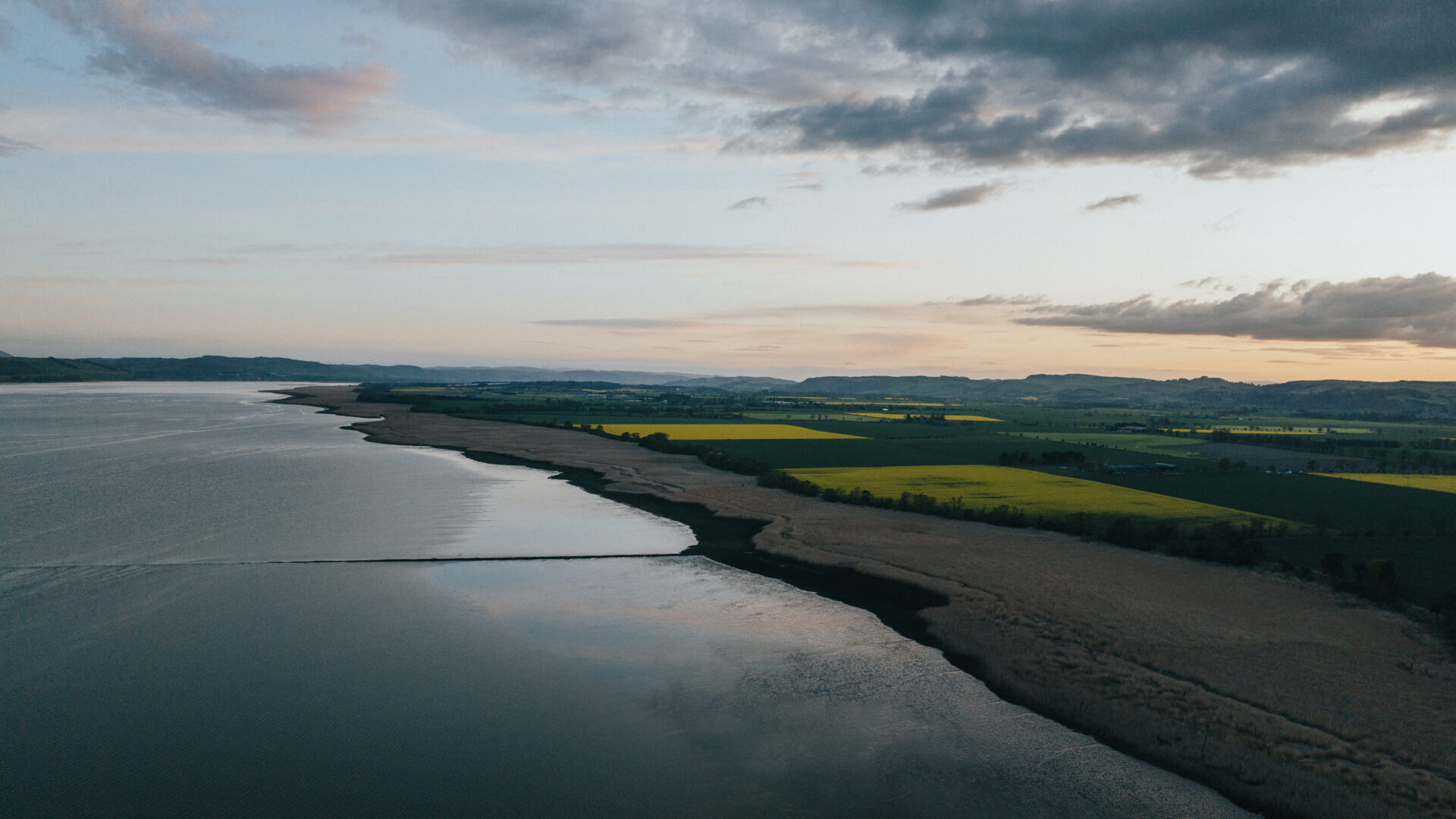
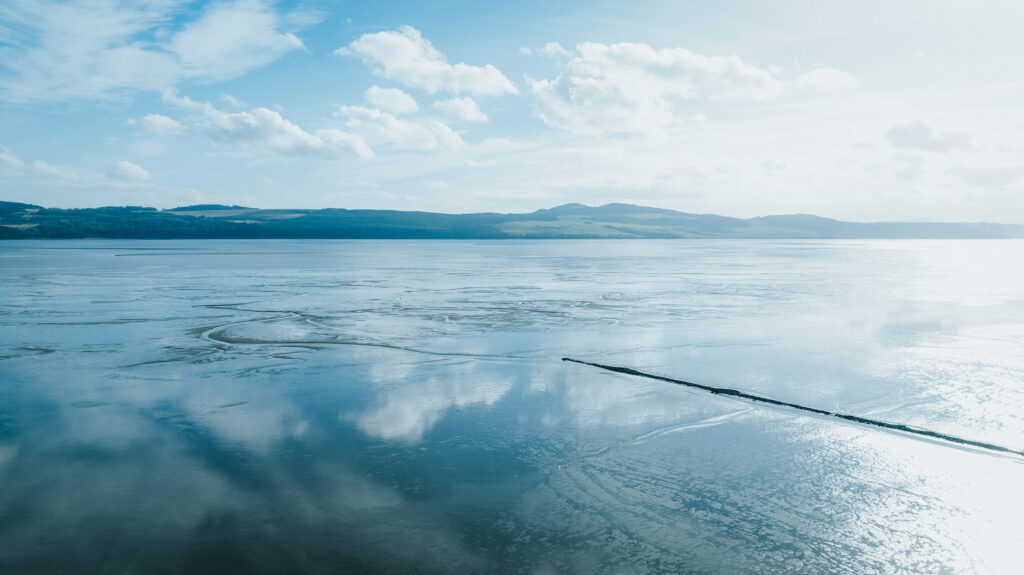
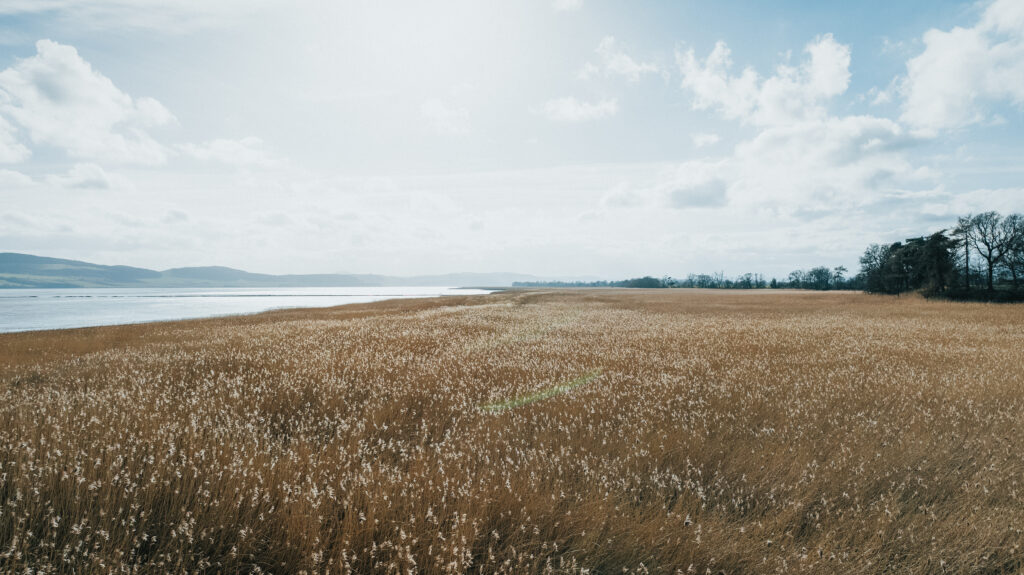
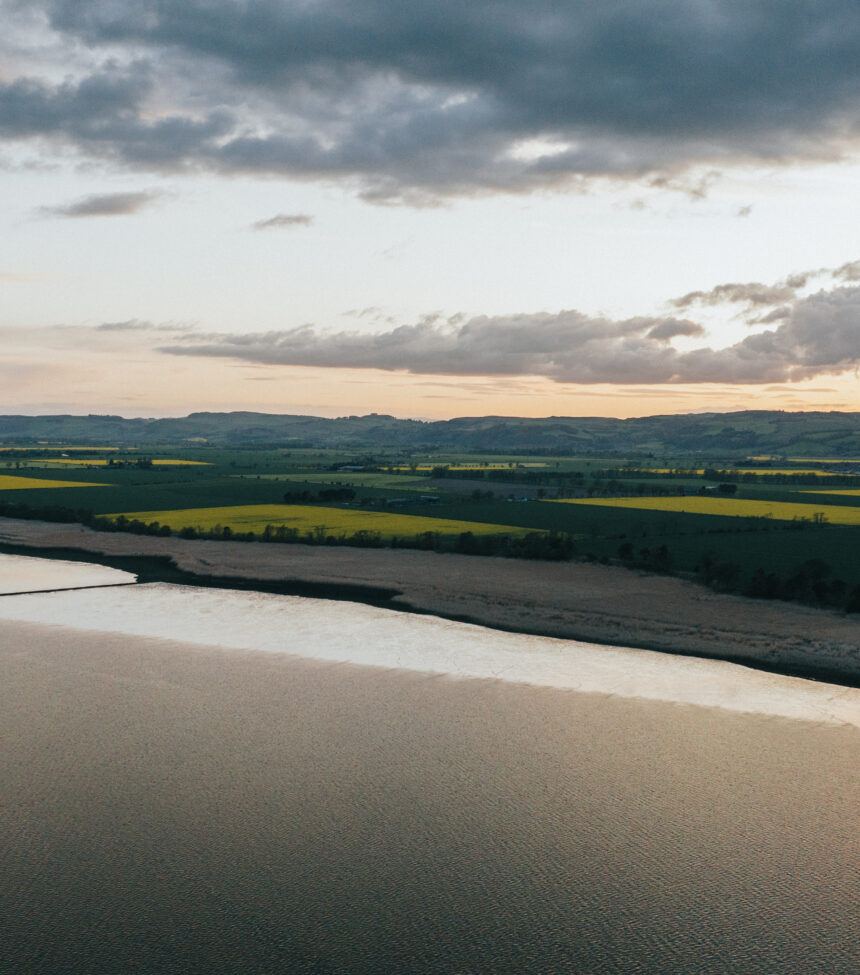
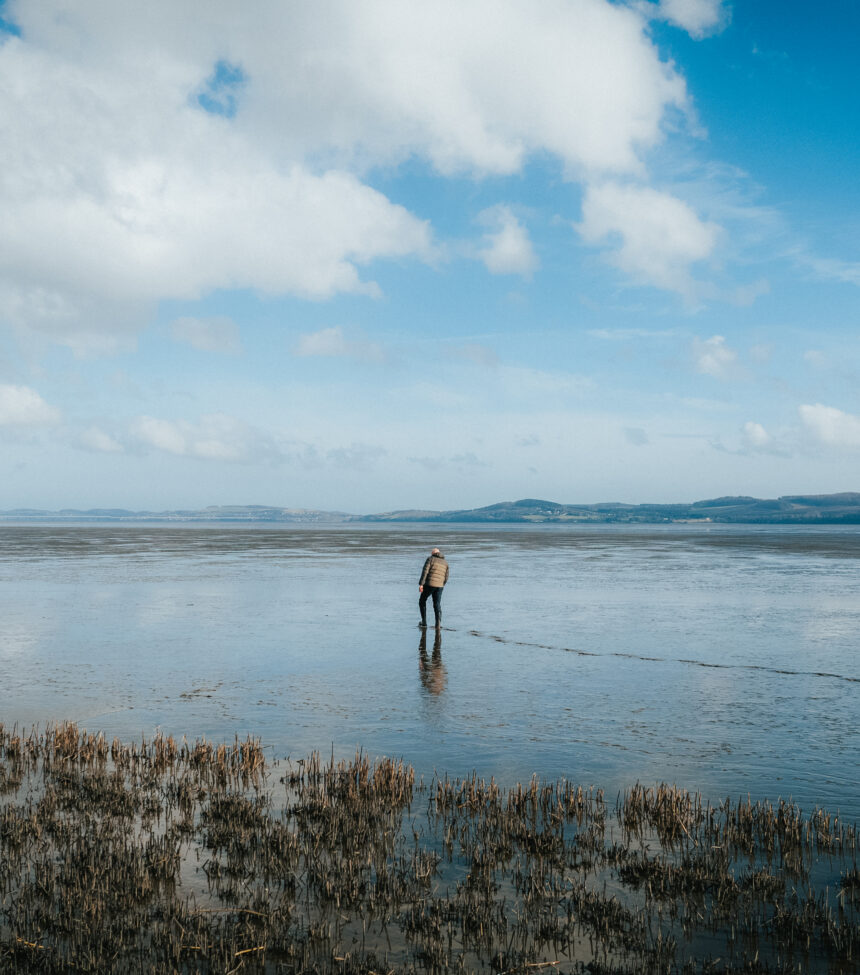
Defined by vast intertidal mudflats, dense reedbeds, and sweeping coastal views.
Stretching south from ‘Dog Bank’, the Estate sits within one of Scotland’s most highly designated and ecologically important environments—part of the Inner Tay Estuary Nature Reserve, and protected as a SSSI, SPA, SAC and Ramsar site.
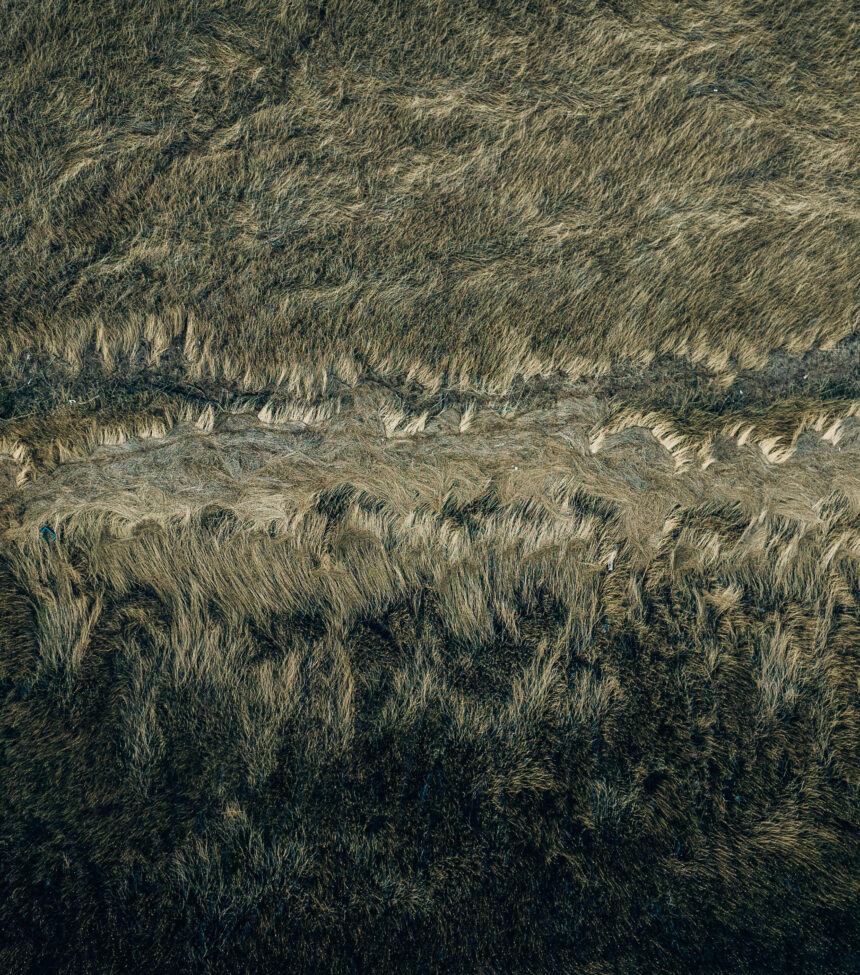
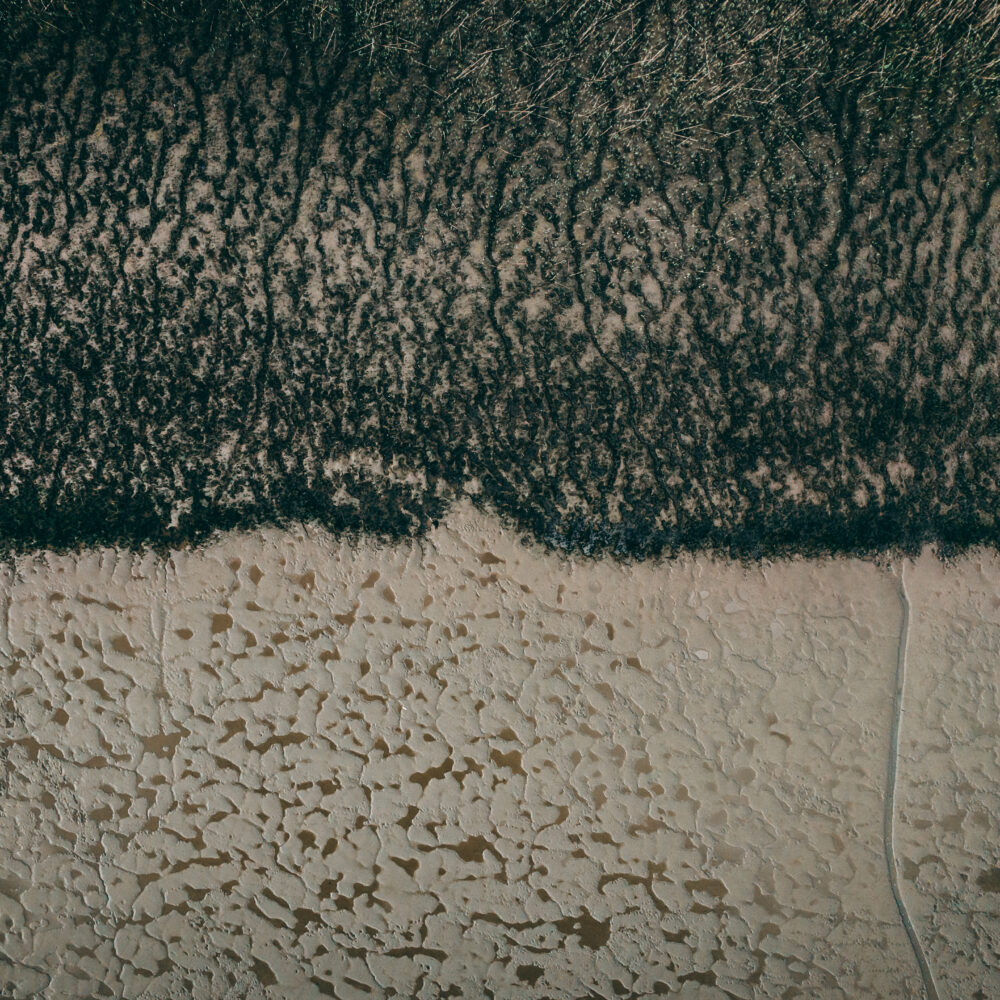
This is a landscape shaped by water, sediment, and time—supporting an exceptional range of habitats and species. The reedbeds are believed to be the largest in Britain, providing critical habitat for species such as bearded tits and marsh harriers, while the expansive mudflats support seals, wading birds, and a complex network of marine life.
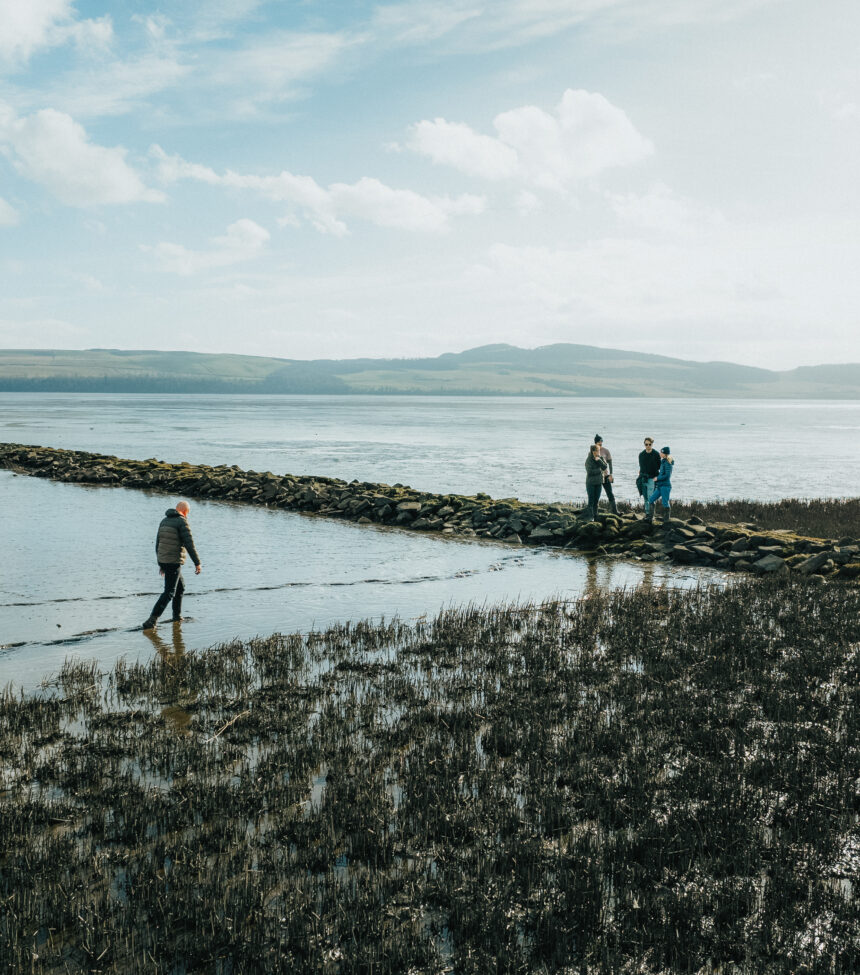
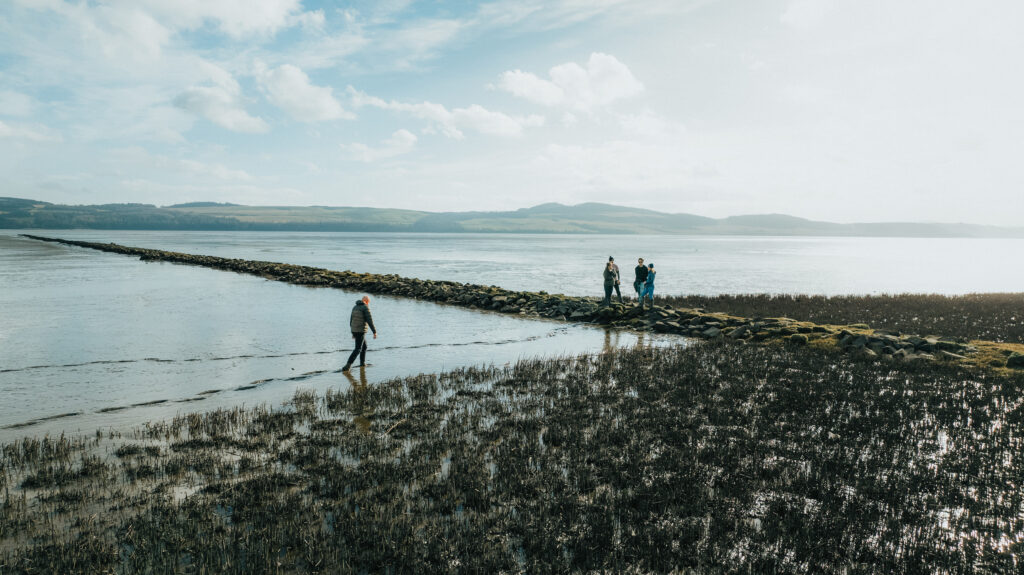
Unlike any other estate in the portfolio, the Firth of Tay is entirely intertidal—with no built infrastructure and limited physical access. Its value lies not in intervention, but in protection, understanding, and the opportunity to pioneer a new model of marine conservation.
Blue Carbon
The Firth of Tay holds significant stores of “blue carbon” within its sediments and reedbeds—representing a critical, yet often overlooked, natural climate solution.
Find out more
Experimental Laboratory
At the heart of the Estate’s future is the creation of our Blue Carbon Laboratory—an outdoor research hub dedicated to understanding marine ecosystems.
Find out more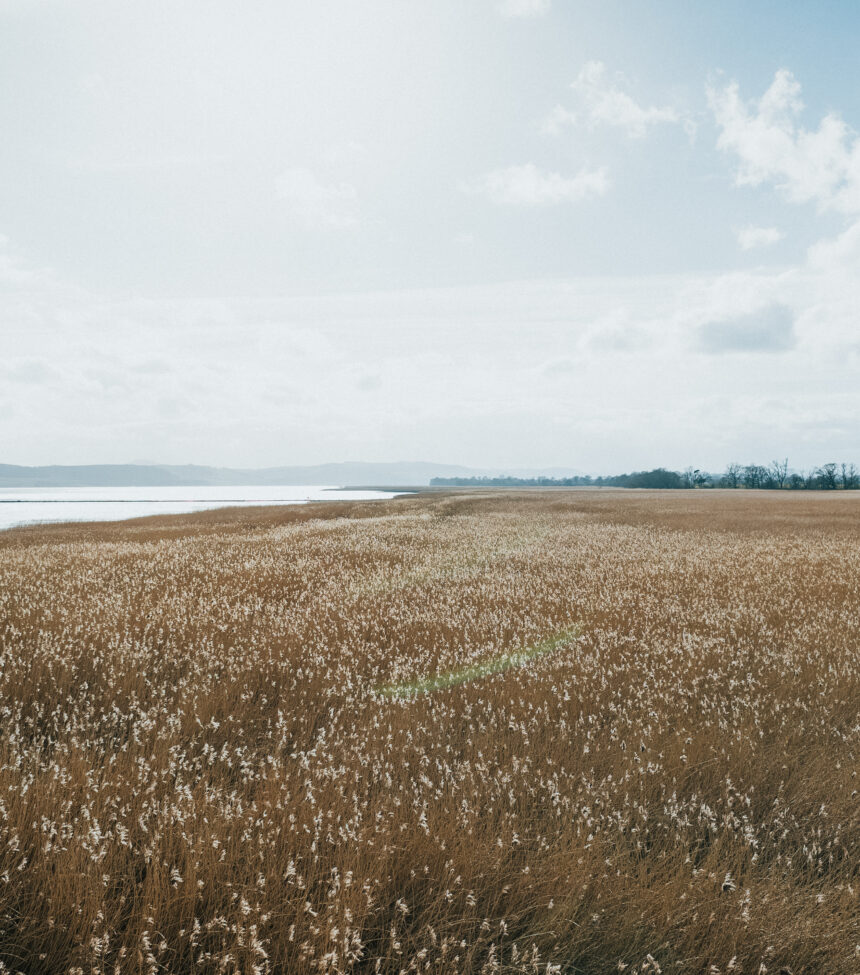
An approach grounded in stewardship.
Rather than transforming the landscape through large-scale intervention, our approach is grounded in stewardship—protecting the integrity of this highly designated environment while advancing scientific knowledge of how these systems function, recover, and store carbon.
At its core, the Estate will become a model for how marine environments can deliver long-term environmental value through research, collaboration, and low-impact management.
Blue Carbon
Our vision is to deepen understanding of these systems—exploring the role that intertidal habitats such as mudflats and reedbeds play in carbon storage, nutrient cycling, and ecosystem resilience.
While early ambitions explored seagrass restoration, ongoing research has highlighted the complexity of the Estate. The focus has now evolved towards protecting and studying the existing habitats—ensuring that their natural carbon storage capacity is maintained and better understood.
Experimental Laboratory
Bringing together leading scientists, universities, and conservation organisations, the laboratory will act as a platform for cutting-edge research into:
- Coastal and intertidal ecology
- Carbon sequestration in marine environments
- The impacts of environmental change on sediment systems
- Practical approaches to conservation in highly protected landscapes
Through long-term monitoring and research, the Firth of Tay will become a reference site for marine conservation—supporting Masters and PhD students, generating new knowledge, and contributing to global understanding of blue carbon systems.
Partnership
We are working closely with leading academic institutions—including the University of St Andrews—and a network of conservation partners to ensure the Estate delivers meaningful scientific and environmental outcomes.
These partnerships enable:
- High-quality, data-led research
- Long-term monitoring of ecological change
- The development of best practice in marine conservation
- Open sharing of knowledge across the sector
By positioning the Estate as a hub for collaboration and learning, we are creating a model that extends far beyond the Estate itself—supporting the growth of marine conservation at scale.
Explore our interactive landscape vision map for the Estate.
By safeguarding this environment, the Estate contributes to the long-term resilience of coastal ecosystems.
At the Firth of Tay, impact is delivered through protection, research, and long-term stewardship—contributing to one of the UK’s most important marine ecosystems.
With over 45,000 tonnes of carbon stored within its sediments, the Estate represents a significant natural carbon asset. Through ongoing research and monitoring, we are building a deeper understanding of how these systems function—helping to unlock the role of marine environments in climate mitigation.
The figures to the right represent the long-term impact we aim to deliver through restoration—measured over the lifetime of the Estate.
45,000 tonnes of CO2
stored within sediment and reedbeds
38,186 acres
of connected landscape-scale conservation across the wider estuary
Research Partnerships
With the University of St Andrews
Articles from across the Estate
Estate Management
The Firth of Tay is managed through a low-intervention approach, reflecting the sensitive and highly designated nature of the landscape.
Oversight is provided by Oxygen Conservation’s operations team, with periodic site visits and ongoing collaboration with academic and conservation partners to ensure the Estate is protected and its research potential is fully realised.
This model allows the Estate to remain largely undisturbed—while still playing a leading role in advancing marine conservation and scientific understanding.