
One of the arguments we often hear (and see on billboards and road bridges) against land-use change is the wonderfully simple statement: “No farmers, no food.” Its effectiveness lies in its absolute clarity and simplicity. It’s a bumper sticker slogan—easy…
Exmoor National Park
A working farm for the future—where food, nature, and carbon come together.
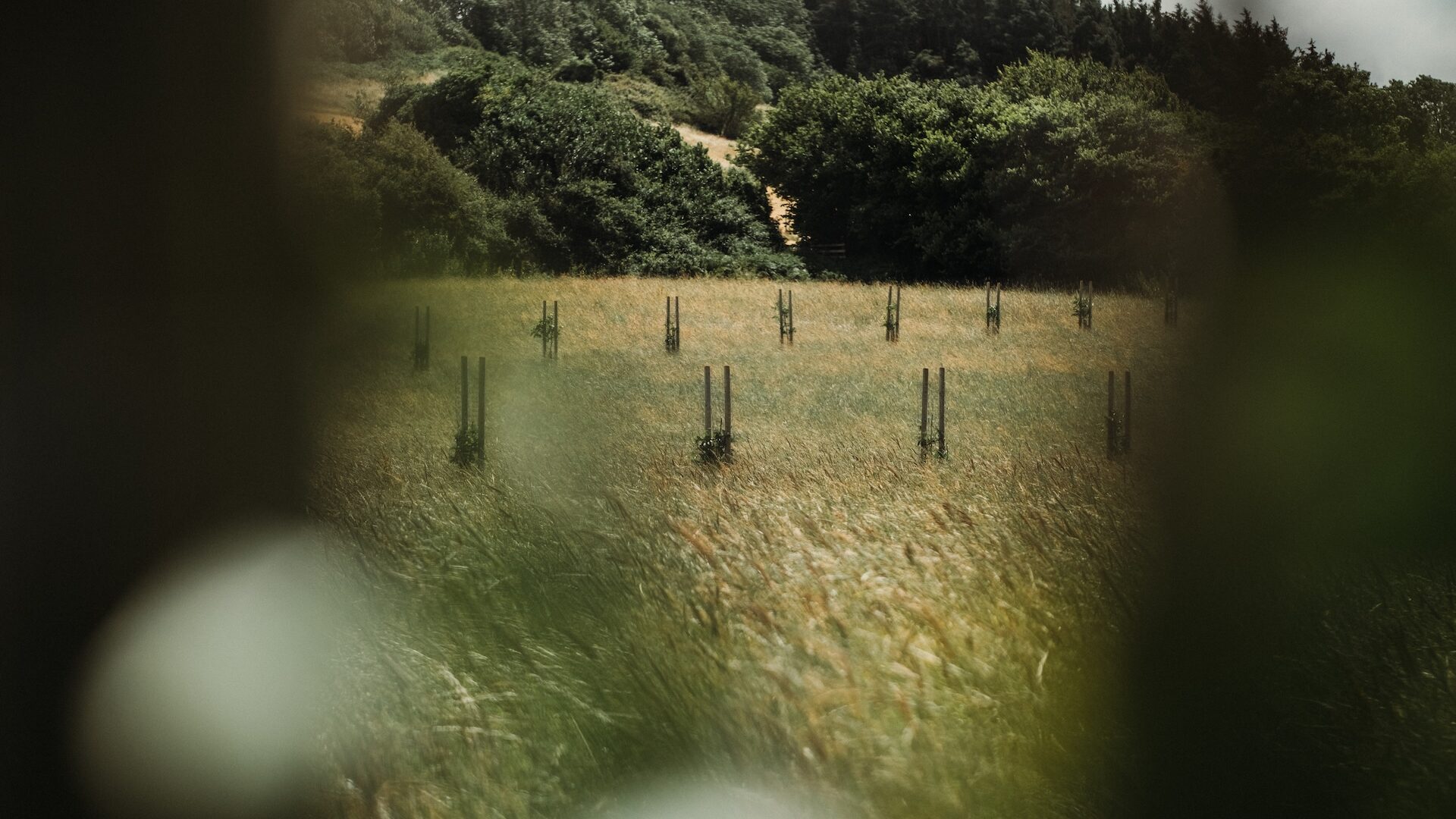
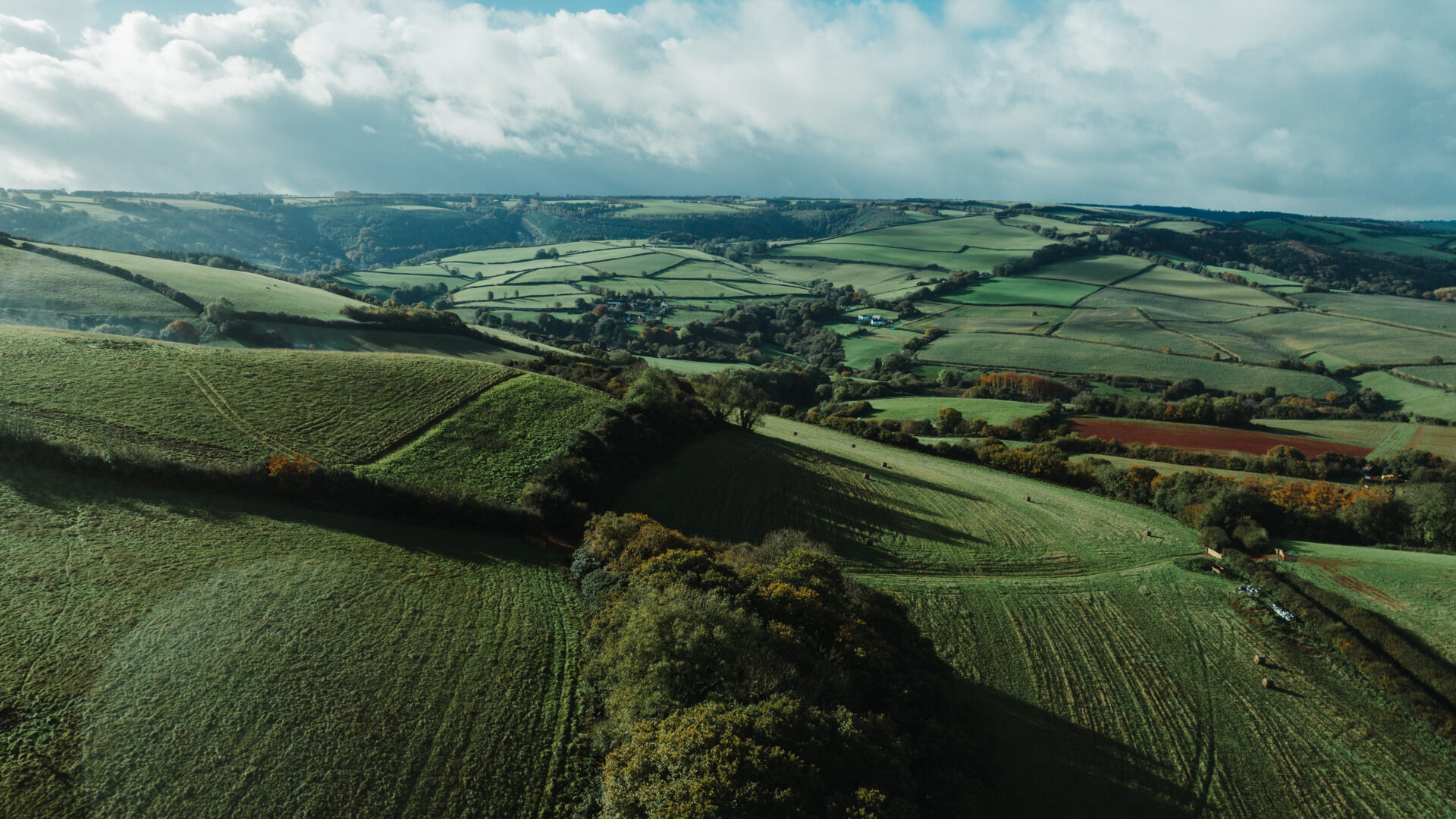
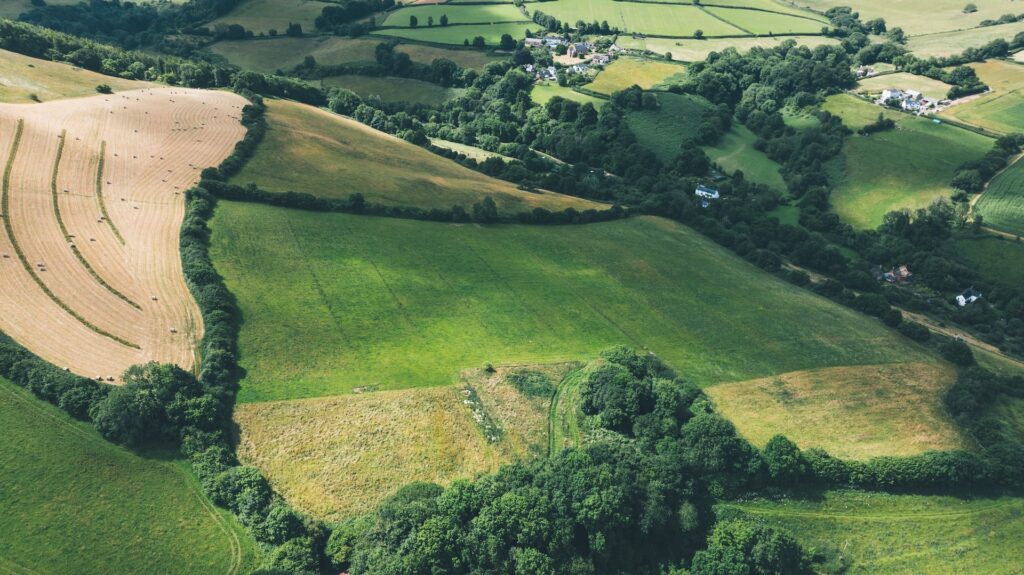
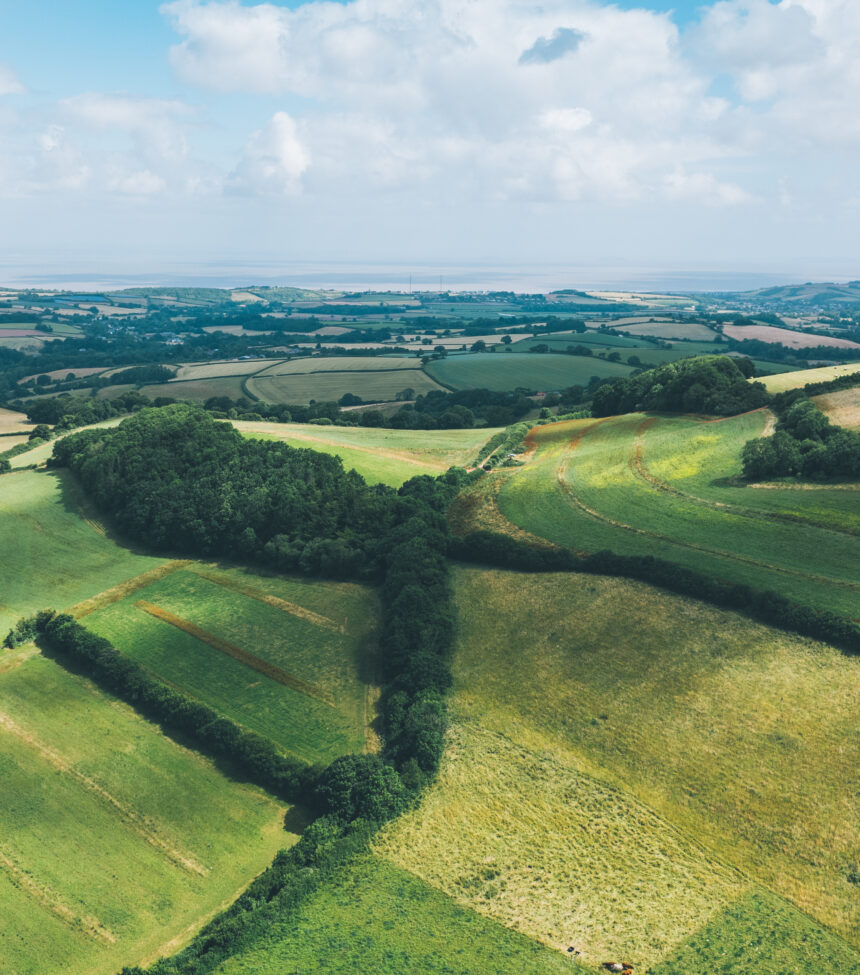
On the western edge of Exmoor National Park lies Wood Advent Farm, a 428-acre landscape shaped by centuries of stewardship and now entering a new chapter of restoration and renewal. A mosaic of pasture, arable fields, ancient woodland, and hedgerows, the Estate is rich in ecological potential, with habitats that support a diverse range of species and connect across the wider Exmoor landscape.
Wood Advent has been farmed by the Brewer family for generations. Today, in partnership with Oxygen Conservation, the Estate is transitioning towards a regenerative, organic farming system—one that restores soil, enhances biodiversity, and builds a resilient, long-term future for both farming and nature.
Regenerative Agriculture
Wood Advent is transitioning to an organic, regenerative farming system designed to produce high-quality food while restoring the land.
Find out more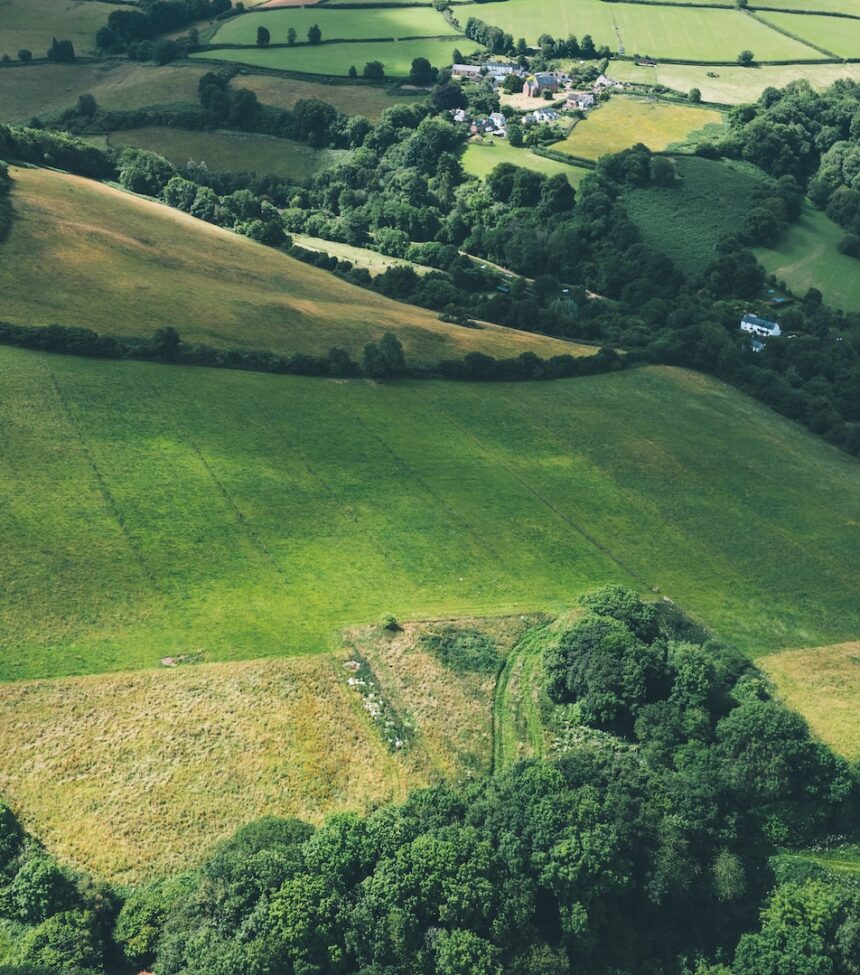
Agroforestry
Through the integration of trees, crops, and livestock, we are creating a more diverse and resilient landscape that delivers benefits for both farming and nature.
Find out more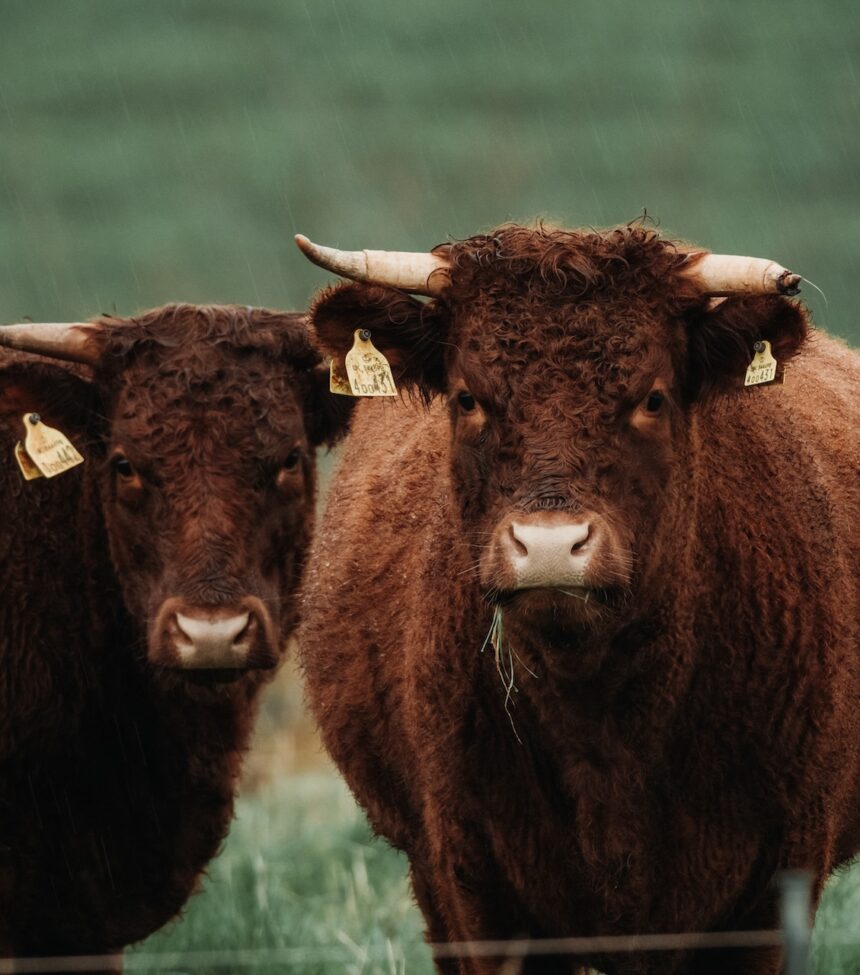
Partnership
A deep rooted partnership with the Brewer family, who have farmed this land for generations.
Find out more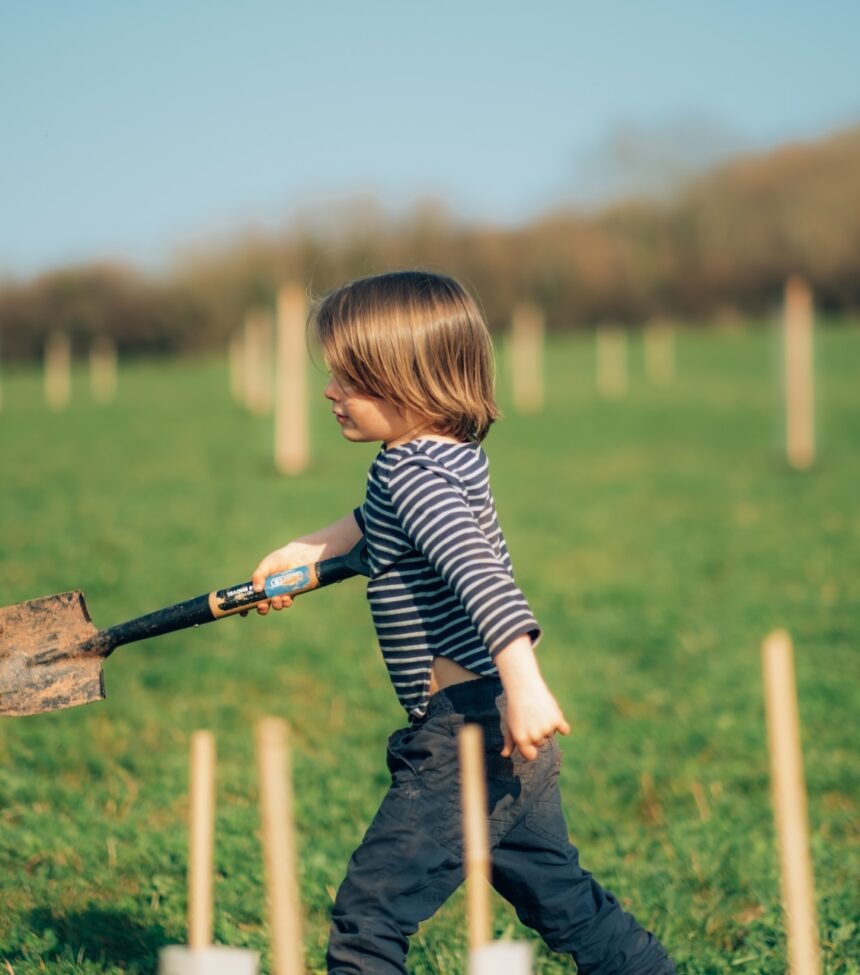
A new model for farming—where trees, livestock, and people work together to restore the land.
Our vision for Wood Advent is to create a working farm where food production, nature recovery, and carbon storage are fully integrated. By transitioning to an organic, agroforestry-based system, we are restoring the ecological foundations of the landscape—rebuilding soil health, reconnecting habitats, and strengthening the resilience of the farm for generations to come.
Rooted in a long-standing family legacy and shaped through a collaborative partnership, Wood Advent is becoming a leading example of how farming can evolve—demonstrating that productive land use and environmental restoration can work together at scale.
Regenerative Agriculture
Wood Advent is transitioning to an organic, regenerative farming system designed to produce high-quality food while restoring the land. This includes:
- Organic rotations of heritage grains and pasture
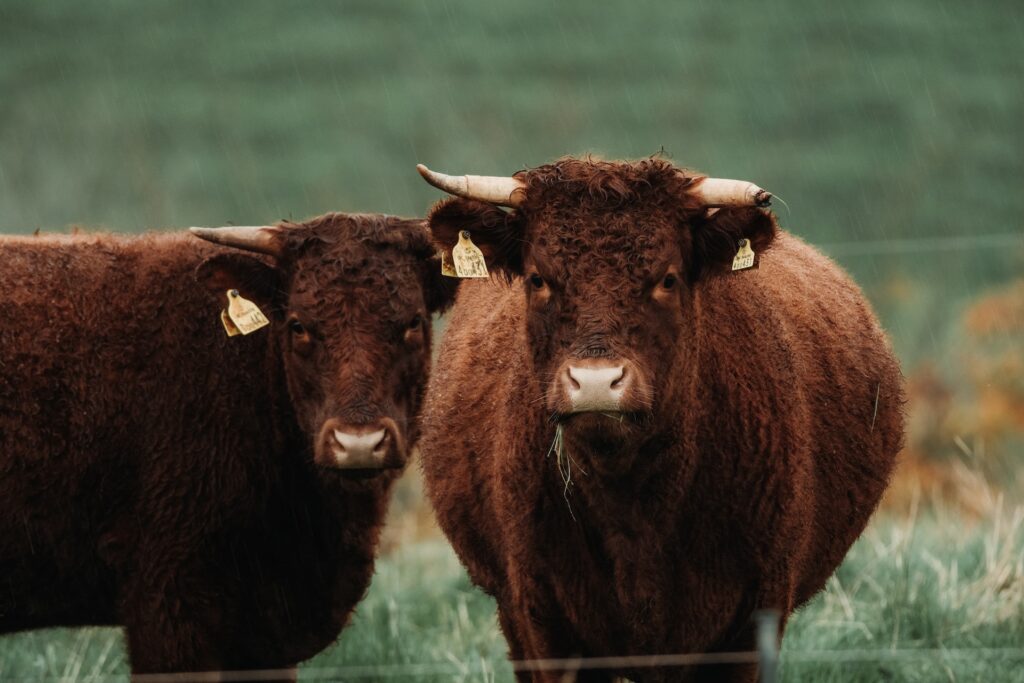
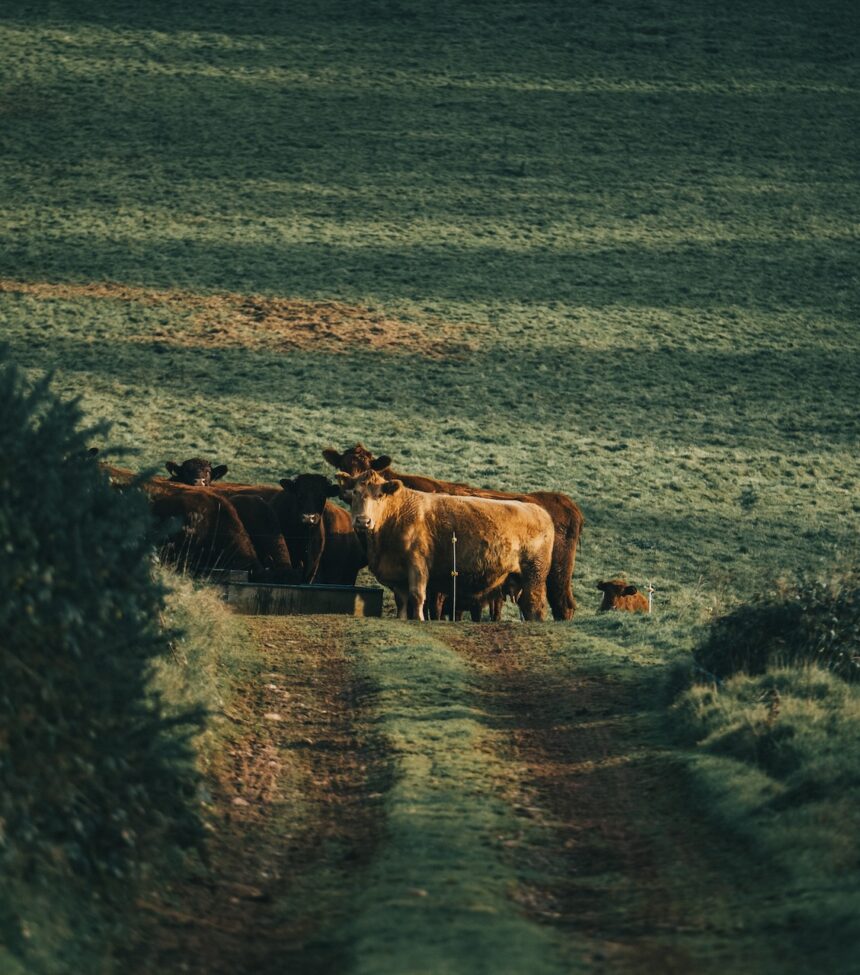
- Integration of Devonshire Ruby cattle and rare breed livestock
- Reduced inputs and improved soil management
- Agroforestry systems such as silvopasture and alley cropping
By working with natural processes rather than against them, the Estate demonstrates how farming can remain productive while improving soil health, increasing biodiversity, and reducing environmental impact.
Agroforestry
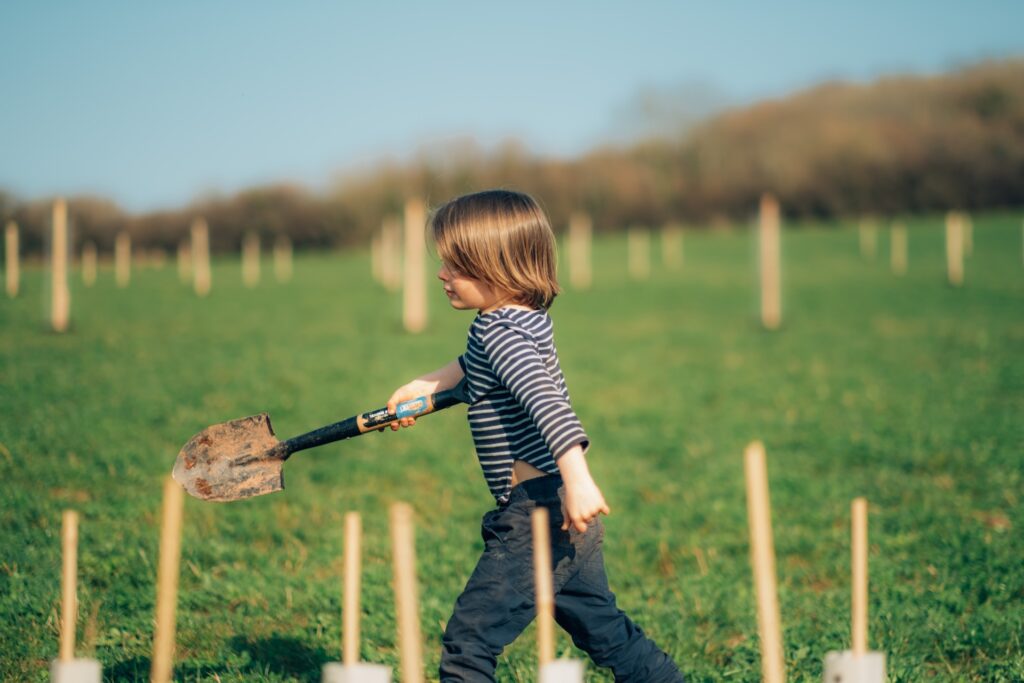
Large-scale native woodland creation is already underway, connecting existing habitats and forming a “river of trees” across the Estate. This expanding woodland will:
- Store carbon and support climate resilience
- Provide habitat for species including the potential return of pine marten
- Improve soil structure and water retention
- Shelter livestock within a more resilient farming system
Showcasing how trees can be reintroduced into farmed landscapes as a core part of a productive system, while enhancing the long-term health and diversity of the estate.
Partnership
Our work at Wood Advent is built on a close partnership with the Brewer family, who have farmed this land for generations. Combining their deep-rooted knowledge of the Estate with our long-term approach to conservation and land management, this collaboration is enabling a new model for the future of farming. Together, we are creating a system that supports both the viability of the farm and the restoration of the natural environment—ensuring Wood Advent remains a thriving, working landscape for generations to come.
Explore our interactive landscape vision map for the Estate.
Proof that productive farming can rebuild the land it depends on.
Progress is already underway. In 2024, woodland creation began, water quality monitoring was established, and over 2,000 people engaged with the Estate through tourism, education, and events. Early signs of ecological recovery are emerging, from improving air quality trends to the return and recording of species across the farm.
Through these efforts, we aim to achieve a range of objectives—including clean water, carbon storage, spaces for wildlife, community homes, nature engagement, education and learning, green jobs, regenerative agriculture, and clean energy—that collectively contribute to the UN Sustainable Development Goals (SDG).
The figures to the right represent the long-term impact we aim to deliver through restoration—measured over the lifetime of the Estate.
24,000 tonnes of CO2
removed or avoided through woodland creation
1 km
of watercourses restored
3 Jobs
Supported across the Estate
Articles from across the Estate

Meet your Estate Manager
Will Lister is the Estate Manager at Siblyback Estate, leading efforts to enhance biodiversity, build climate resilience, and unlock Natural Capital value. He works closely with partners, stakeholders and the local community to ensure that environmental and economic goals are achieved in harmony.
Email Will