
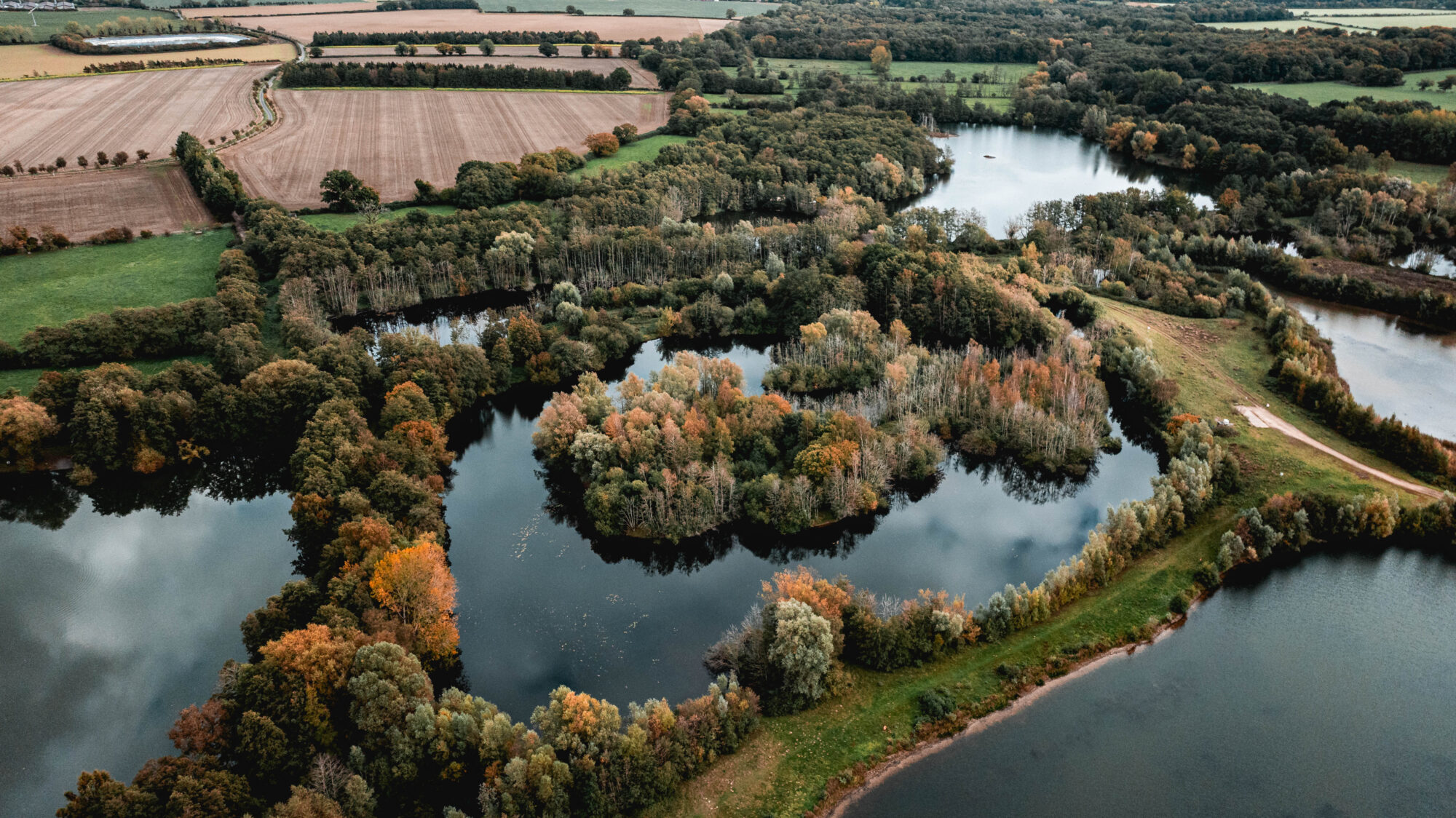
Have you ever walked into a moment so alive, so arresting, that you felt time itself hold its breath?
That’s what estate management gives you. Not just a job, not even just a calling, but a life lived to the pulse of the seasons, where every choice you make today becomes the echo of tomorrow.
A Dawn That Stops You in Your Tracks
Picture this: the heavy dew soaking your boots as you cross an open field at first light. Crane flies lift into the cool air for the first time, clumsy on their maiden wings. Above them, swallows dart and swoop a last feast before their long journey back to Africa.
The chill morning carries the first guttural calls of red deer at Mornacott, restless as autumn approaches and the rut begins to stir. The seasons wait for no one, but each marker in the calendar tells a story: a story of effort, of patience, of decisions made months or years earlier.
Because here’s the truth: no amount of money, no effort of will alone, can bring these moments back. You cannot buy the return of life. You must earn it. You must make the habitats right, heal the land, and give nature the chance to roar again.
And when you get it right, the reward is priceless: that early morning walk when, after years of work, you hear the gentle purr of a turtle dove in spring. Proof, in a single sound, that your choices matter.
Ownership Without Possession
Estate management is ownership, but not of deeds or titles. It is the ownership of care, the ownership of responsibility.
For the duration of your time as an estate manager, the land is entrusted to you. To the landscape, it is only a fleeting chapter. Yet in that brief stewardship, every decision, about soils, water, habitats, and people, shapes what will endure long after you’re gone.
At Dorback, for example, peatland restoration has begun work that will soon re-wet the bogs, allowing sphagnum moss to spread once more, quietly locking away carbon and holding the water table steady. A small act in the present, but one with echoes that will last centuries.
Tell me, what other role gives you that privilege? What other job lets you live so fully in the present while shaping a legacy that will outlast you?
A Life, Not a Career
Ask me what a typical day looks like as an estate manager, and I’ll laugh because there is no typical day. One dawn at Leighon, you’re pulling invasive rhododendrons from the soil. By afternoon, you’re mentoring a new team member. Tomorrow at Manor Farm, you might be walking sustainable tourism guests through their first-ever night under dark skies.
Every day is different. Every challenge is new. Every moment matters.
That’s why I don’t “work to live.” I live to work. Because the work is my life every step across the land, every decision, every conversation, every dawn chorus.
The Hard Truth
But let’s not dress it up: this is not easy work. Please don’t be under any misunderstanding. Estate management demands long hours, relentless effort, and difficult situations to face head-on.
We are not simply carrying on because “that’s the way it’s always been done.” We are pushing hard. We are making things happen. We are reinventing what estate management means, and redefining what good looks like.
At Mornacott, for example, we’ve dared to replace commercial forestry blocks with native woodland regeneration, a choice that will take decades to mature, but one we believe is the only way forward.
And that definition isn’t static. What estate management was yesterday is not what it is today, and what it is today will not be what it becomes in a few years. But we dare to push. We dare to do things differently. And that courage is being rewarded in the best possible way.
Leadership, Mentorship, Family
At its core, estate management is leadership. Not about command, but about culture. About setting a standard so that everyone who touches this place, team members, visitors, and neighbours feels proud to rise to it.
I’ve watched Ben start as a new ranger at Invergeldie, slightly unsure, and grow to become the estate manager. Now, he’s the one showing me hidden corners of the land, beaming with pride as he guides guests around what has truly become his estate. That is the quiet joy of mentorship: watching people grow, and in turn, watching them nurture others.
It doesn’t stop with team members. Estate management is about building a family: a living, breathing community of people and place, bound together by shared values.
The Human Heart
Yes, it’s about the land. Yes, it’s about wildlife. But it’s also about people.
It’s about the awe on a guest’s face when they throw open the window of the farmhouse at Mornacott, one of our sustainable tourism properties, and their eyes land on a rich tapestry you have created on the land and hear nothing but birdsong. It’s the thrill in a child’s voice as they see their first glow worm. These are the moments when you see that estate management doesn’t just change landscapes. It changes lives.
Even when guests ask for more access, more experiences, more connection, I see that not as an inconvenience but as the highest compliment. Because if someone is moved enough to want more, then you know the land has touched them.
Leaving Your Stamp
Estate management is about leaving your stamp, not of ego, but of stewardship.
A stamp that says: while I was here, I gave everything I could. I held the line. I healed the soil. I made space for life to return. And because of that, a richer, wilder, more abundant place now exists.
That is legacy. That is privilege. And that is why estate management is the best job in the world.
Because here, every dawn is a gift. Every season a reminder. Every decision a chance to make a difference that will outlive you.
And when you finally hear the purr of that first turtle dove in spring, you’ll know: it was worth it. Every minute.
Author: Charles Owen, Head of Estates