
“The debate over who should own land is a contentious one, with some land reform campaign groups often arguing that land ownership should be limited or even abolished. However, within our economic system, the right to buy and sell property is fundamental, and land should be no exception. Valuing nature and monetising environmental improvements are crucial steps toward a nature-based economy. Aberdeen‘s work at Far Ralia is a shining example of this principle in action.
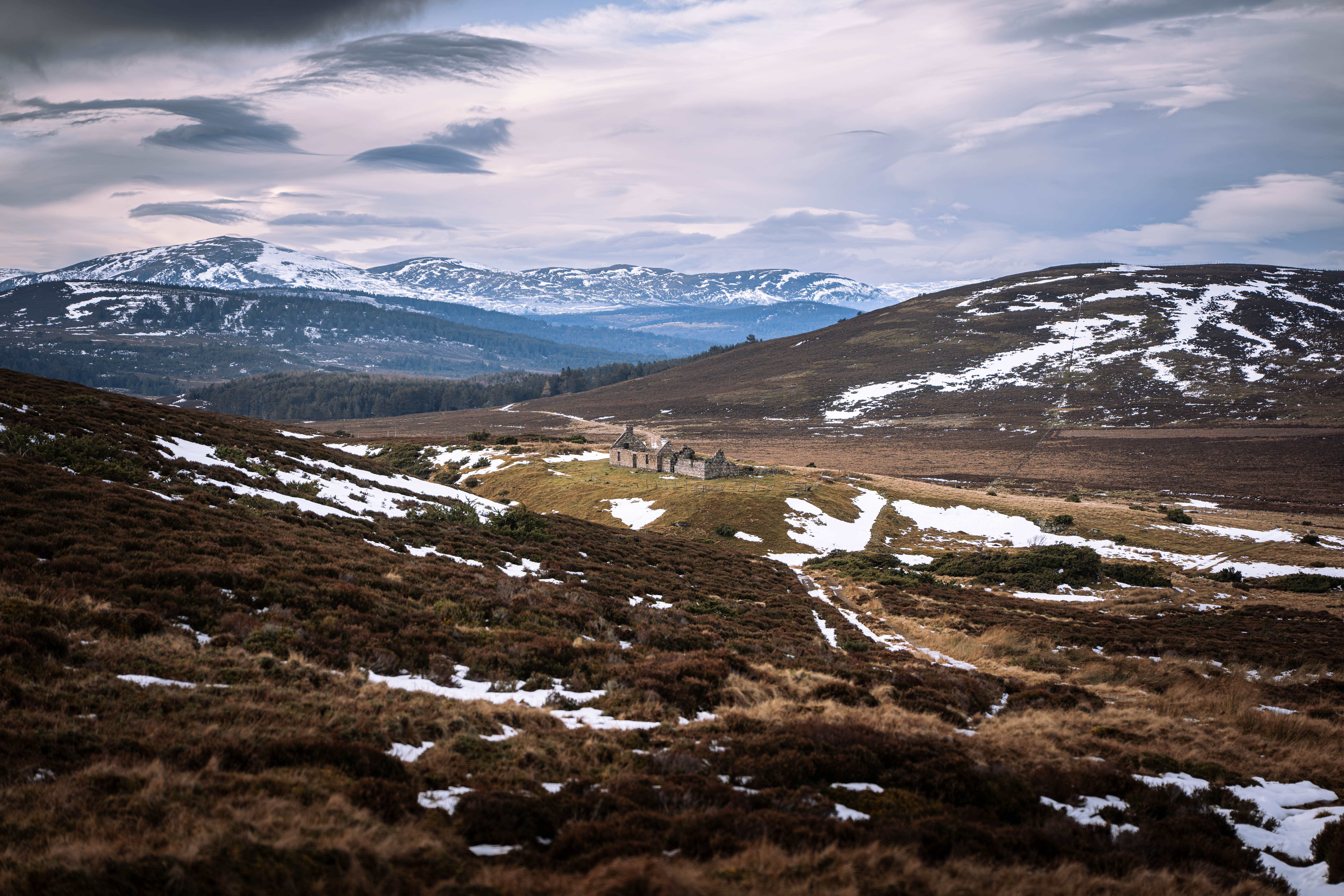
Abrdn’s acquisition, improvement, and subsequent sale of the Far Ralia Estate (beautifully marketed by Knight Frank ) represents a significant positive development for both people and the planet. The rapid environmental restoration achieved at Far Ralia, including the planting of 1.2 million native trees, demonstrates a commitment to ecological enhancement that benefits current and future generations. This is an undeniable victory for conservation efforts, contributing not only to carbon sequestration but also to habitat creation and biodiversity improvement.
Critics of large-scale land purchases by investment funds often miss the broader picture. Investment funds like Abrdn manage assets on behalf of individuals, such as pensioners and insurance holders. By purchasing estates from often absentee landowners, they can transform ecological deserts into thriving habitats. This process effectively democratises land ownership, making the underlying land assets indirectly owned by the fund’s members and customers. In this way providing a better future from nature allows nature to provide a better future for us all by the simple act of investing in our own pensions. Investing our pensions in this way allows nature to provide a better future for us all.
Surely this is the very land reform some are calling for! Nature recovery funded through our collective pension savings, without the need for additional financial burdens being placed on the public sector.
The criticisms aimed at Abrdn for their approach to land management seem to stem from a very narrow, even self-serving viewpoint. Surely instead of faulting companies for doing the right thing (but not in the exact way individuals might want), it is more productive to appreciate the positive outcomes they achieve. Abrdn’s collaboration with the Natural History Museum to measure biodiversity benefits beyond carbon sequestration underscores their commitment to sustainable and scientifically informed practices, in what is an enormously complex and challenging area.
Public funding for public goods is now a widely accepted (and rarely challenged) concept. Planting trees, as Abrdn has done at scale, is a prime example of this principle in action, providing long-term environmental benefits and enriching natural habitats. Trees are a gift to future generations, supporting ecosystems, capturing carbon, and enhancing biodiversity. Are we really criticising anyone buying ecologically corrupt grouse moors and turning them into native broadleaf woodlands?
National Parks, which should be bastions of ecological prosperity, often suffer from severe nature depletion stemming from a broader societal failure to value nature and prioritise environmental improvements. Companies that can address the vicious dual challenges of climate change and biodiversity loss deserve recognition and economic success. Profitability when derived from positive impact is not a dirty word – in this case, profitability indicates that effective solutions to these critical issues are being created and implemented.
At Oxygen Conservation, we are committed to acquiring more land to drive positive environmental and social impact, generating profit as a result of what we do, not the purpose. Our business model is built on integrity, transparency, and quality, setting new standards in natural capital products and services. Later this year we will be bringing our first high-integrity natural capital products to market and will work with amazing partners who hold the same environmental and socially focused values.
And for the avoidance of doubt – do we intend to “get rich” by trying to save the planet? Absolutely we do!